-
Home
- Search
- Suggest Listing

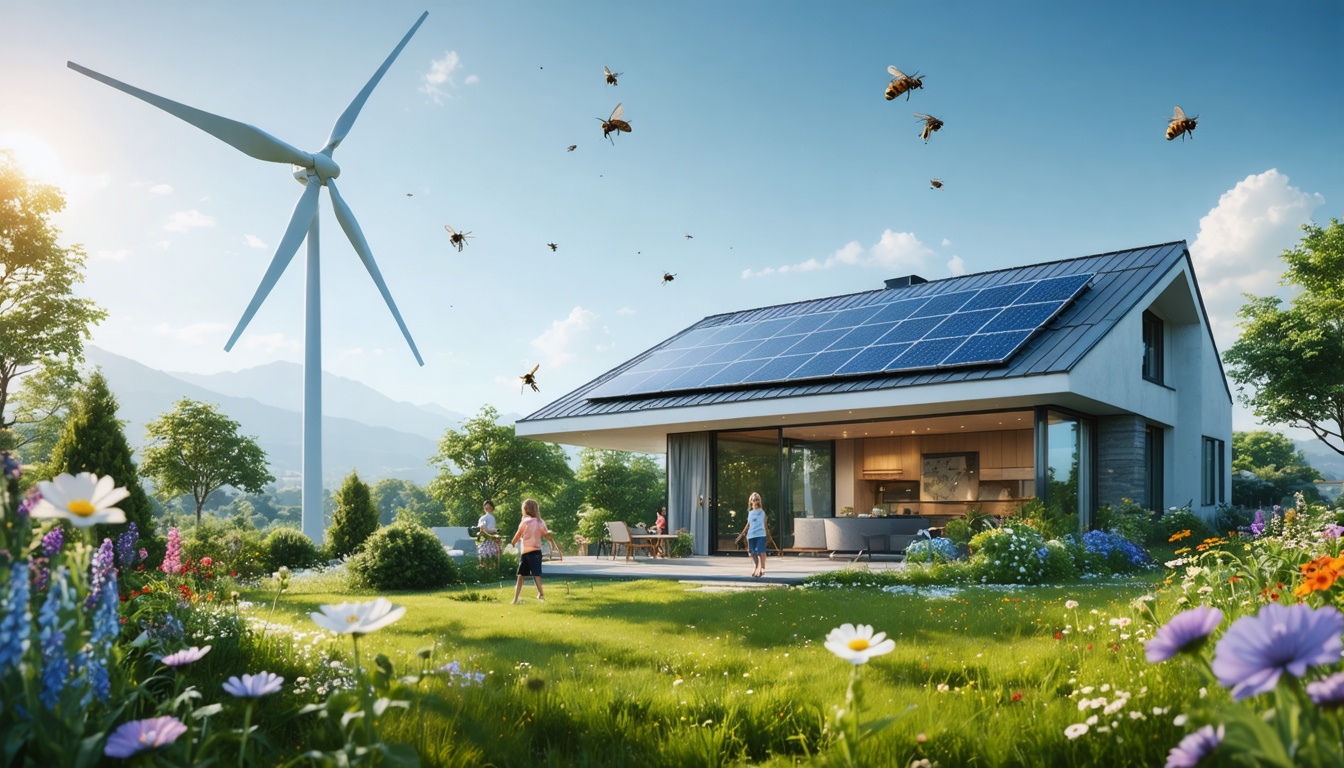
When you choose renewable energy for your home, you’re making a direct impact on the environment around you. By shifting away from fossil fuels, you help cut greenhouse gases, preserve natural resources, and improve air quality. These changes reach beyond your property lines, touching both your community and the wider world. Yet the benefits don’t stop with the climate; the move toward renewables shapes how you live in ways you might not expect—let’s explore how.
Renewable energy is characterized by its origin from resources that naturally replenish, including solar, wind, hydropower, biomass, and geothermal sources. These renewable options are often recognized for their sustainability, particularly when compared to fossil fuels, which are limited in availability. For more information on the various types of Renewable Energy Resources, it is beneficial to explore their applications and benefits in modern energy systems.
At the residential level, solar panels represent a prevalent application of renewable energy technology. They can lead to reduced electricity costs and lower carbon emissions. Wind energy is harnessed through turbines that capture the kinetic energy of the wind to produce electricity, contributing negligibly to carbon outputs.
Hydropower, on the other hand, taps into the energy generated by moving water, offering a consistent source of clean electricity.
The global landscape is witnessing a shift away from fossil fuels, driven by increasing concerns regarding climate change. This transition is noted not only for its environmental implications but also for its economic potential, with the renewable energy sector reportedly creating job opportunities at a rate that could be three times that of traditional fossil fuel industries.
Utilizing renewable energy has several benefits, including the reduction of greenhouse gas emissions, provision of sustainable heating solutions, and the promotion of a cleaner environment.
These aspects contribute to a larger commitment to sustainable energy practices, which have implications for both local and global contexts.
The transition to clean energy sources in residential settings is an important factor in reducing harmful emissions that impact air and water quality. The power generation sector is a major contributor to global emissions, largely due to its dependence on fossil fuels. By adopting renewable energy sources such as solar and wind, households can reduce their environmental footprint.
Studies suggest that households that utilize renewable energy can reduce their carbon and greenhouse gas emissions by approximately three times compared to traditional energy sources. This transition contributes to better air quality and helps safeguard local waterways, as decreased emissions result in lower levels of pollution runoff.
Moreover, cleaner electricity generation leads to reduced concentrations of heat-trapping pollutants, which may lower respiratory health risks for communities. The collective adoption of sustainable energy practices by individuals supports national objectives for achieving net-zero emissions.
Additionally, this shift encourages job creation in the renewable energy sector and contributes to a healthier environment. Thus, individual energy choices have the potential to significantly influence broader environmental and public health outcomes.
The impacts of climate change are becoming increasingly apparent, prompting a shift toward renewable energy technologies as a viable method for mitigation. The utilization of renewable electricity sources, such as solar and wind power, is effective in significantly reducing carbon emissions that result from energy consumption.
It is well-established that fossil fuels are the leading source of global greenhouse gas emissions, which are directly tied to the progression of climate change. In contrast, renewable energy sources are associated with minimal to zero greenhouse gas emissions, making them a strategic alternative for decreasing environmental harm.
Adopting clean energy solutions in residential settings not only aids in reducing emissions but also presents economic advantages. The implementation of renewable technologies can lead to job creation within the clean energy sector, mitigate government expenses from healthcare issues related to pollution, and enhance efforts toward reaching net-zero emissions goals.
Consequently, the transition toward renewable energy is a critical component of comprehensive strategies aimed at effectively addressing the challenges posed by climate change.
Utilizing clean energy sources such as solar and wind has a measurable impact on local wildlife and the conservation of natural resources. The integration of renewable power in residential areas can lead to a decreased reliance on fossil fuels, which are known to have detrimental effects on biodiversity.
Renewable energy technologies, specifically solar and wind, require significantly less water compared to conventional energy production methods. Additionally, they generate minimal heat and carbon emissions. This reduction in emissions contributes to lower levels of air and water pollution, which can enhance conditions for various plant and animal species.
Many countries are increasingly recognizing renewable energy as a key strategy for mitigating climate change. The transition to renewable electricity not only supports job creation in the green energy sector but also contributes to the protection of ecosystems by decreasing greenhouse gas emissions.
Therefore, the adoption of renewable energy sources is aligned with sustainable resource management practices and biodiversity conservation efforts.
As countries address the challenges of energy supply and demand, the incorporation of renewable energy sources at the household level serves as a practical approach to enhance both local and national energy security. The adoption of established clean energy technologies, such as solar and wind power, can reduce dependency on fossil fuels, thereby lowering greenhouse gas emissions and aligning with climate action goals.
Investing in renewable energy systems can yield economic advantages. By decreasing reliance on traditional energy sources, households may achieve more predictable energy expenditures, which can be particularly beneficial amidst variable energy markets.
Furthermore, the deployment of renewable energy technologies may lead to improvements in air quality, which is significant for public health, and can also reinforce the robustness of the power grid against potential disruptions.
The current geopolitical landscape highlights the importance of energy independence. By increasing the proportion of renewable energy in their energy mix, countries can stimulate domestic job growth and mitigate their vulnerability to fluctuations in international energy markets. This strategic transition toward renewable energy supports global objectives related to achieving net-zero greenhouse gas emissions, contributing to a sustainable energy future.
In summary, transitioning to renewable energy systems in households not only benefits individual consumers but also plays a vital role in enhancing national energy security and addressing the challenges posed by climate change.
Investing in solar panels and other renewable energy solutions can offer both financial and environmental benefits for homeowners. While the initial installation costs of renewable energy systems can be high, many homeowners find that the long-term reduction in electricity bills—due to lower energy costs associated with sources like solar and wind—can result in significant savings over the lifespan of the system.
Evidence suggests that the integration of renewable energy technologies helps reduce greenhouse gas emissions, which may positively impact air quality. This improvement in air quality can play a crucial role in lowering health risks associated with the burning of fossil fuels, which has been linked to climate change and various health issues, such as respiratory problems.
Additionally, the shift towards zero-carbon energy sources can have beneficial effects on local economies. The renewable energy sector is known to create new job opportunities, supporting economic growth within communities.
Properties that are equipped with renewable energy technologies may also experience an increase in resale value, as more buyers prioritize energy efficiency and sustainability.
In conclusion, the decision to invest in renewable energy should be viewed through a lens of both environmental responsibility and economic practicality. It provides an opportunity for homeowners to contribute to the reduction of fossil fuel dependency while potentially reaping economic advantages over time.
Opting for renewable energy sources for residential use can lead to measurable environmental benefits and has implications for personal and community well-being. The transition to renewable energy reduces greenhouse gas emissions, which are a primary contributor to climate change. This reduction is significant given that the energy sector is one of the largest sources of these emissions. Using renewable energy also supports resource conservation. Solar panels, wind turbines, and other renewable technologies harness natural resources that are replenished naturally, unlike fossil fuels, which are finite. This shift can contribute to a decrease in air pollutants, ultimately leading to improved air quality for residents. In addition to environmental outcomes, the shift towards renewable energy can have economic benefits. It can lower energy costs in the long term due to reduced reliance on imported fuels and volatile fossil fuel markets. Energy independence is enhanced as households and communities utilize locally sourced energy. Moreover, investing in renewable energy infrastructure can create job opportunities in manufacturing, installation, and maintenance sectors. The renewable energy industry has shown a trend of job growth, potentially boosting local economies. Overall, the commitment to renewable energy is a pragmatic approach that individuals can undertake to contribute to environmental sustainability and benefit their communities.

